
For years, “wearable tech” primarily meant smartwatches and fitness trackers. While these devices have certainly evolved, as we move through 2026, the wearable landscape has exploded into a diverse ecosystem of intelligent garments, invisible sensors, and augmented reality devices that seamlessly integrate with our bodies and minds. We are entering an era where technology is not just worn, but felt and experienced.

This article explores the cutting-edge innovations in wearable technology in 2026, showcasing how these devices are moving beyond simple wristbands to redefine health, productivity, and human interaction.
1. Smart Fabrics & E-Textiles: Your Clothes are the Computer
One of the most significant advancements in 2026 is the integration of technology directly into our clothing. Smart Fabrics (E-Textiles) are no longer just concepts; they are commercially available.
- Health Monitoring: Shirts woven with micro-sensors can continuously monitor heart rate, blood pressure, respiration, and even stress levels, sending real-time data to your phone or doctor.
- Temperature Regulation: Jackets with embedded thermoelectric elements can actively cool you down on a hot day or warm you up in chilly weather, reacting to your body temperature and external conditions.
- Top Pick: The AthleSense Bio-Shirt, which analyzes muscle strain during workouts to prevent injuries.
2. Augmented Reality (AR) Eyewear: Blending Digital and Physical
Smartglasses have finally moved past the “Google Glass” era. In 2026, Augmented Reality (AR) Eyewear offers sleek designs and powerful capabilities that project digital information directly into your field of vision without obstructing your view.
- Contextual Information: Walk down the street, and your AR glasses can display real-time navigation, translate signs, or identify plants, all overlaid onto the real world.
- Hands-Free Productivity: Surgeons can view patient data during operations, and engineers can see 3D schematics of machinery overlaid on physical objects.
- Top Pick: The Meta Ray-Ban View 2, now featuring full spatial computing capabilities and a discreet, stylish design.
3. Hearing Enhancement & AI Audio: Beyond Earbuds
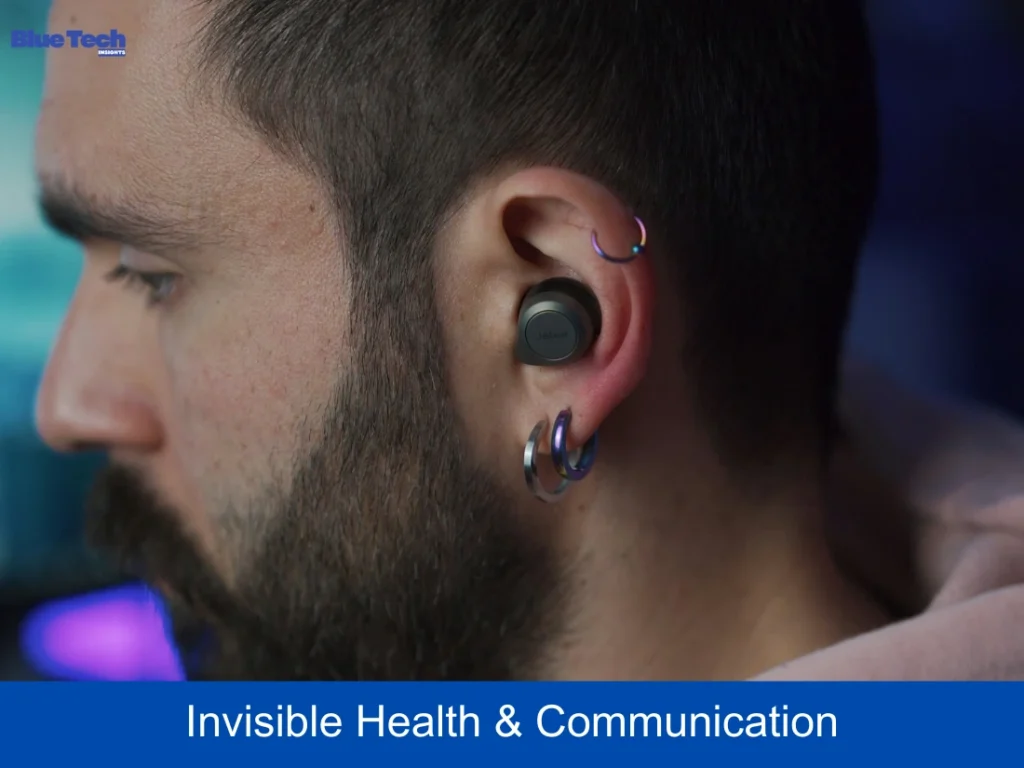
Earbuds are evolving into sophisticated hearing and communication devices. In 2026, AI-Powered Audio Wearables go beyond simple music playback.
- Real-Time Translation: These earbuds can translate conversations in real-time, allowing you to understand and communicate effortlessly in foreign languages.
- Contextual Audio: They can intelligently filter out background noise while enhancing specific voices in a crowded room, improving focus and social interaction for everyone, not just those with hearing impairments.
- Top Pick: The Jabra Enhance Pro 2, which uses on-device AI to adapt audio profiles to your environment.
4. Health Patches & Biosensors: The Invisible Doctor
The most discreet wearables of 2026 are Health Patches and Biosensors. These small, adhesive devices provide continuous, non-invasive health monitoring.
- Continuous Glucose Monitoring (CGM): For diabetics, patches can track blood sugar levels 24/7 without painful finger pricks.
- Stress & Sleep Tracking: Advanced patches can measure cortisol levels, skin conductance, and sleep stages, offering personalized recommendations for stress management and improved rest.
- Impact: They empower individuals to take a proactive role in managing their chronic conditions and overall wellness.
5. Wearable Robots & Exoskeletons: Enhancing Human Abilities
While still in specialized fields, Wearable Robotics and Soft Exoskeletons are gaining traction in 2026.
- Industrial Use: Workers in logistics and manufacturing use lightweight exoskeletons to reduce strain and increase lifting capacity, dramatically reducing workplace injuries.
- Rehabilitation: For individuals with mobility challenges, “soft exosuits” provide subtle support and guidance, helping them regain strength and walk with greater ease.
- Top Pick: The Sarcos Guardian XO Lite, which assists in physically demanding tasks without restricting movement.
6. Comparison: Traditional Wearables vs. 2026 Advanced Wearables
| Feature | Traditional Wearable (Pre-2025) | Advanced Wearable (2026) |
| Primary Function | Fitness Tracking / Notifications | Health Monitoring / AR / AI Assistance |
| Form Factor | Wrist-based (Watches) | Fabrics, Glasses, Patches, Earbuds |
| AI Integration | Basic Voice Commands | Predictive AI / Real-time Translation |
| Health Data | Step Count / Heart Rate | Blood Pressure, Glucose, Stress, Sleep Stages |
| Interaction | Screen-based / Voice | Visual Overlays / Contextual Audio |
Conclusion: Our Bodies, Our Interfaces
The future of wearable tech in 2026 is about seamless integration and augmented human capabilities. From clothes that monitor our health to glasses that blend digital information with reality, these devices are transforming the way we perceive the world and interact with technology. As these innovations continue, our bodies are becoming the ultimate interface, making technology more personal, intuitive, and indispensable than ever before.
Disclaimer: The information provided in this article is based on current advancements in wearable technology, research papers, and market forecasts as of early 2026. While significant progress has been made, the commercial availability, specific features, and regulatory approvals for some advanced wearables may vary. This content is for informational purposes only and does not constitute professional medical or engineering advice.
About the Author