The landscape of education has undergone a radical transformation over the past few years. As we move through 2026,online learning is no longer a secondary alternative to traditional classrooms; it has become a primary, high-tech powerhouse. The driving force behind this revolution is Artificial Intelligence (AI). Gone are the days of static video lectures and “one-size-fits-all” curriculum. Today, AI tools are creating a personalized, interactive, and highly efficient learning environment that adapts to every individual student.
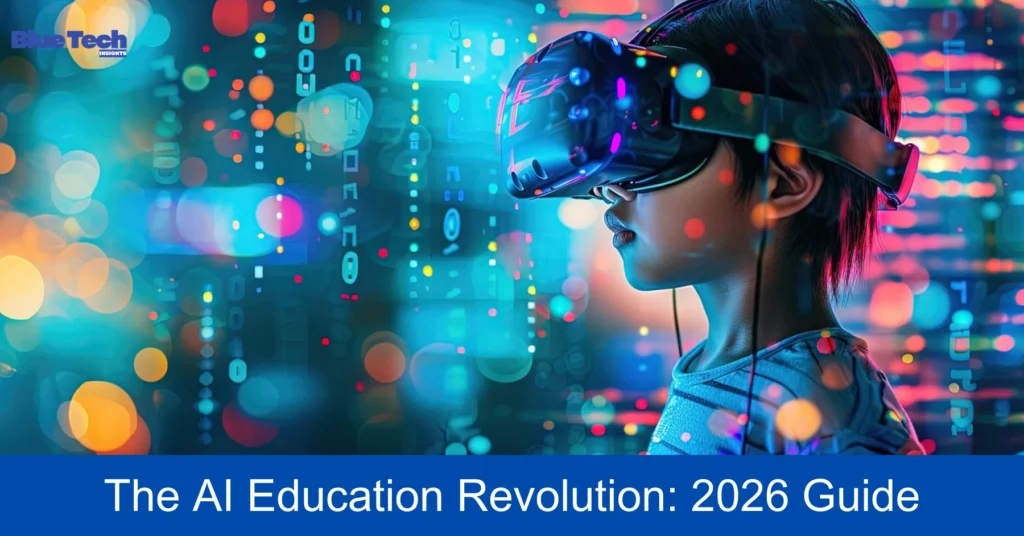
In this comprehensive guide, we explore the groundbreaking ways AI tools are improving online education in 2026 and what students and educators need to know to stay ahead.
1. Personalized Learning Pathways: The Death of “One-Size-Fits-All”
The most significant contribution of AI to education in 2026 is Adaptive Learning. In a traditional online course, every student follows the same path regardless of their existing knowledge or learning speed.
- How AI Changes This: AI algorithms now analyze a student’s performance in real-time. If a student masters a mathematical concept quickly, the AI skips the repetitive introductory material and moves straight to advanced challenges.
- Targeted Interventions: Conversely, if a student struggles with a specific topic, the AI identifies the exact “knowledge gap” and provides supplementary resources—such as a different video explanation or an interactive quiz—until the student achieves mastery.
- Impact: This approach increases student retention by 25% to 60%, as learners remain engaged and neither bored nor overwhelmed.
2. 24/7 AI Tutors and Intelligent Assistants
In 2026, the “midnight study struggle” is over. Students no longer have to wait for office hours or the next day’s lecture to get their questions answered.
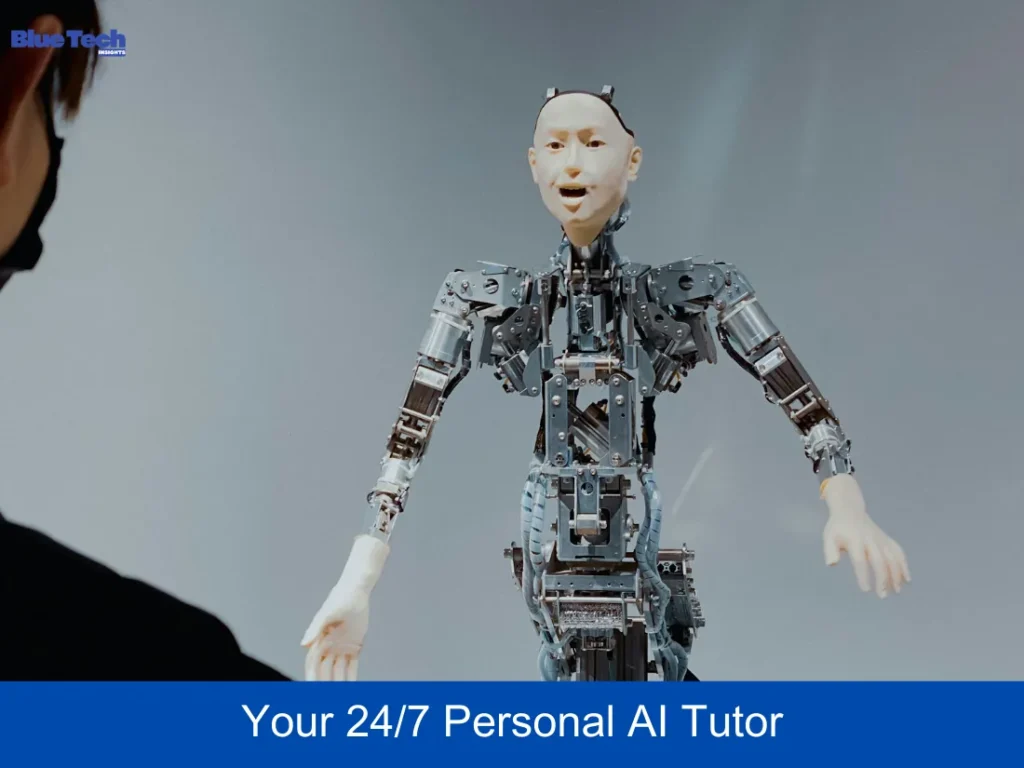
- AI Coaching Bots: Tools like Khanmigo (by Khan Academy) and the latest GPT-5.1 Student Edition act as 24/7 private tutors. These aren’t just chatbots that give answers; they use “Socratic Questioning” to guide students toward finding the answer themselves.
- Real-time Feedback: Whether it’s a coding assignment or an essay, AI assistants provide instant feedback on grammar, logic, and structure, allowing students to learn from their mistakes immediately rather than waiting days for a teacher’s grade.
3. Immersive Learning with VR and AR Integration
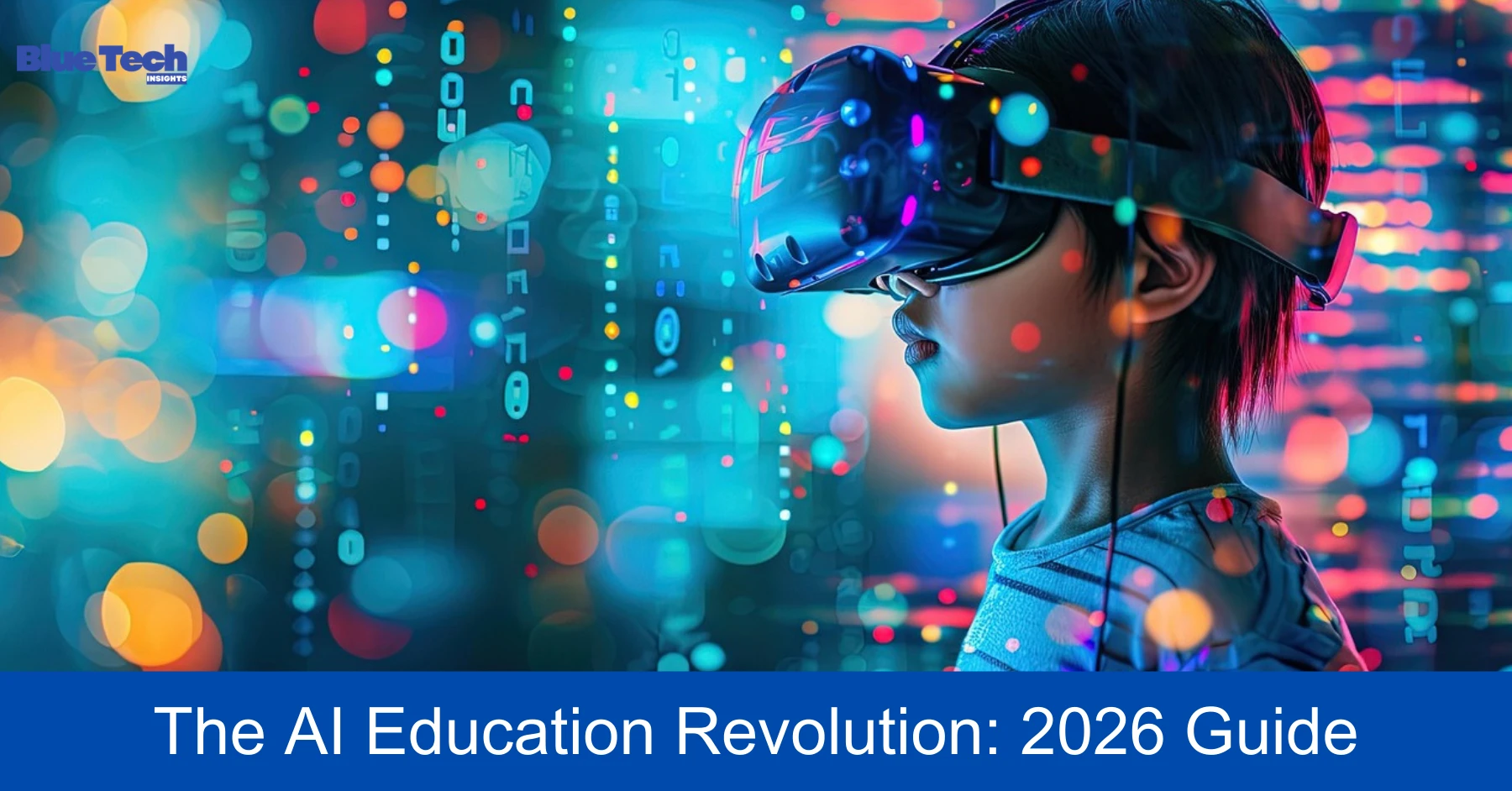
Online education in 2026 has moved beyond the 2D screen. AI is now deeply integrated with Augmented Reality (AR) and Virtual Reality (VR) to create immersive “learning labs.”
- Virtual Field Trips: History students can walk through a digitally reconstructed Ancient Rome, while biology students can “shink down” and travel through the human circulatory system.
- Simulated Practice: Medical and engineering students use AI-driven VR simulations to practice complex surgeries or repair high-tech machinery in a risk-free environment. This bridge between theory and practice is a hallmark of 2026 education.
4. Reducing Administrative Burdens for Educators
AI isn’t just helping students; it’s a lifesaver for teachers. By 2026, AI has taken over the most tedious “admin” tasks,allowing educators to focus on what they do best: mentoring and inspiration.
- Automated Grading: Advanced AI can now grade not just multiple-choice tests, but also complex essays and open-ended questions with high accuracy and detailed rubrics.
- Predictive Analytics: AI dashboards alert teachers to students who are at risk of dropping out or failing based on their engagement patterns, allowing for human intervention before it’s too late.
- Lesson Planning: AI tools like TeachersFlow or MagicSchool AI help teachers generate high-quality lesson plans, worksheets, and assessments in seconds, customized to their specific class’s needs.
5. Bridging the Accessibility Gap
One of the most heartening trends in 2026 is how AI is making education inclusive for everyone.
- Speech-to-Text & Real-time Translation: For students with hearing impairments or those learning in a non-native language, AI provides instant, high-accuracy captions and translations during live lectures.
- Differentiated Resources: AI can instantly simplify a complex scientific text into a “lower reading level” version for students with learning disabilities like dyslexia, ensuring that no one is left behind.
6. Comparison: Traditional eLearning vs. AI-Enhanced Learning (2026)
| Feature | Traditional eLearning (2020-2024) | AI-Enhanced Learning (2026) |
| Content Delivery | Static / Linear | Adaptive / Non-linear |
| Tutor Support | Human-only / Scheduled | AI + Human / 24-7 Support |
| Engagement | Passive (Watching videos) | Active (Simulations/Interactive) |
| Grading | Delayed (Days/Weeks) | Instant (Minutes/Seconds) |
| Personalization | Low | Maximum (Data-driven) |
7. The Ethical Consideration: Privacy and Human Connection
While AI is revolutionary, 2026 also brings a focus on AI Ethics.
- Data Privacy: With AI tracking every click and quiz answer, institutions are prioritizing strong data protection frameworks to ensure student information isn’t misused.
- The Human Element: Educators in 2026 emphasize that AI cannot replace the empathy and inspiration of a human teacher. Instead, AI serves as the “engine,” while the teacher remains the “navigator” and mentor.
Conclusion: The Global Classroom
In 2026, AI tools have successfully democratized high-quality education. Whether you are in a bustling city or a remote village, as long as you have an internet connection, you have access to a world-class, personalized tutor. As AI continues to evolve, the “Global Classroom” will only become more accessible, intuitive, and effective, proving that the future of learning is truly intelligent.
Disclaimer: The trends and tools mentioned in this article reflect the status of the global eLearning market and AI technology as of early 2026. While AI provides significant benefits, it is important to choose reputable platforms that prioritize data privacy and academic integrity. Success in online learning still requires personal discipline and human mentorship. Bluebook.site is not affiliated with any specific educational platform mentioned and does not guarantee specific academic outcomes.
About the Author