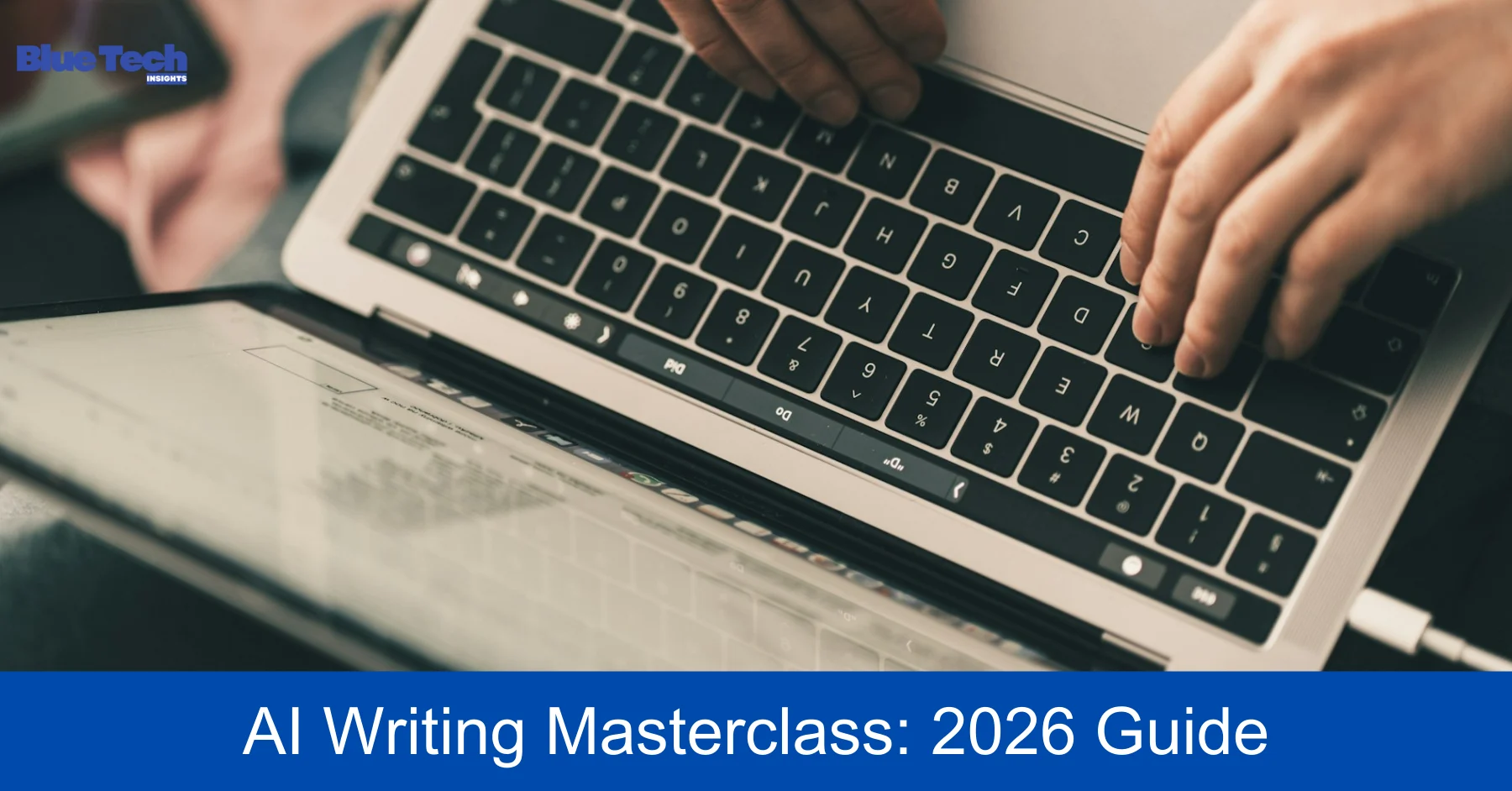
The art of writing has undergone a radical transformation in 2026. We are no longer just “writers”; we are “editors-in-chief” of our own AI-powered newsrooms. Writing and grammar are no longer about just avoiding typos; they are about clarity, tone consistency, and emotional resonance. Whether you are a student writing an academic paper, a professional drafting a high-stakes email, or a blogger creating content for a global audience, AI tools have become essential partners in the creative process.
However, using AI for writing is not as simple as clicking “Generate.” To produce high-quality, human-sounding content that passes 2026’s strict AI detection filters, you need a sophisticated workflow. This guide will show you how to use AI to elevate your writing from “good” to “extraordinary.”
1. Beyond Basic Grammar: AI as a Style Editor
In 2026, grammar checkers like Grammarly and LanguageTool have evolved into full-scale “Style Coaches.” They don’t just find comma splices; they analyze the logic of your sentences.
- Sentence Variety: AI can now detect if you are starting too many sentences with the same word, which makes writing feel repetitive. It suggests diverse structures to keep the reader engaged.
- Clarity and Conciseness: Tools like QuillBot or Wordtune can take a wordy, confusing paragraph and “distill” it into its most powerful form.
- Contextual Vocabulary: Instead of simple synonyms, 2026 AI tools suggest words based on the field you are writing in. If you are writing a legal brief, it won’t suggest “fun” words; it will suggest precise legal terminology.
2. Setting the Right Tone with AI
One of the hardest parts of writing is getting the tone right. Should you sound authoritative, empathetic, or casual? In 2026, AI excels at Tone Adjustment.
- The Prompt Strategy: If you are using ChatGPT or Claude to edit your work, use specific “Tone Prompts.”
- Example: “Rewrite this announcement to sound professional yet empathetic to employees who are affected by the budget cuts.”
- Real-time Feedback: Advanced browser extensions now provide a “Tone Meter.” As you type an email, the AI alerts you if you sound too aggressive or too submissive, allowing you to adjust your language before hitting “Send.”
3. The 2026 Writing Workflow: A Step-by-Step Method
To get the best results, don’t let the AI do all the work. Use this Hybrid Writing Method to maintain your unique human voice.
Step 1: The Human Outline
Start by writing your own outline and core ideas. This ensures the soul of the writing is yours. AI works best when it has your original thoughts as a foundation.
Step 2: AI Brainstorming and Research
Use ChatGPT or Gemini to find “Fresh Angles.”
- Prompt: “I am writing about solar energy. What are some contrarian viewpoints or recent 2026 breakthroughs I should mention to make this article stand out?”
Step 3: Generative Drafting
Let the AI write the first draft based on your outline. This saves you from “Blank Page Syndrome.” Ensure you provide your specific Style Guide (e.g., “Use British English, short paragraphs, and no clichés”).
Step 4: Human-AI Collaborative Editing
This is the most important step in 2026. Use tools like Hemingway Editor (now AI-powered) to identify passive voice and complex sentences. Go through the AI draft and add your own Personal Anecdotes and Expert Insights. AI cannot share personal experiences—this is what makes your writing valuable.
4. Avoiding the “AI Robot” Sound: AI Humanizers
In 2026, search engines and readers can easily spot “generic” AI writing. To enhance your writing, you must “humanize” it.
- StealthGPT & Undetectable AI: These 2026 tools are designed to take AI-generated text and adjust the “perplexitiy” and “burstiness.”
- Perplexity: The complexity of the word choices.
- Burstiness: The variation in sentence length.
- Humans write with “bursts”—one short sentence followed by a long, complex one. AI tends to write in even, monotonous lengths. High-quality writing tools now fix this automatically to make the text feel organic.
5. Ethical AI Writing: Plagiarism and Integrity
Integrity is the most valuable currency in 2026. As AI-generated content floods the web, original, verified writing is more precious than ever.
- Plagiarism Checks: Always run your AI-assisted work through a plagiarism checker. In 2026, tools like Copyleaks or Originality.ai can detect “Semantic Plagiarism”—where the AI has rephrased someone else’s ideas without credit.
- Citation Generators: Use AI tools like Zotero or Perplexity to find and cite credible sources instantly. Never rely on ChatGPT for facts alone; always verify the citations it provides.
6. Comparison: Traditional Writing vs. AI-Enhanced Writing (2026)
| Feature | Traditional Writing | AI-Enhanced Writing (2026) |
| Research Speed | Hours of Google Search | Minutes of AI Synthesis |
| Grammar Check | Basic Spelling/Punctuation | Deep Logic & Tone Analysis |
| Editing | Manual Re-reading | Real-time Stylistic Feedback |
| Human Voice | 100% Original | Hybrid (Human Soul + AI Polish) |
| Output Volume | Low/Moderate | High (with quality control) |
Conclusion: The Writer of the Future
In 2026, AI hasn’t replaced writers; it has given them a superpower. By using AI to handle the mechanics of grammar and the drudgery of the first draft, you are free to focus on Creativity, Strategy, and Connection. The best writing in 2026 is a partnership: let the AI provide the structure and the polish, but you must provide the heart and the truth. Master these tools today, and your voice will be heard louder and clearer than ever before.
Disclaimer: The writing tools, features, and methodologies discussed in this article represent the landscape of generative AI and linguistics as of early 2026. While AI can significantly improve writing quality, it is prone to “hallucinations” (generating false facts) and may struggle with deep cultural nuances. Users are responsible for fact-checking all AI-generated content and ensuring their work adheres to academic or professional integrity standards. Bluebook.site is not responsible for any copyright issues or academic penalties resulting from the misuse of AI writing tools.
About the Author