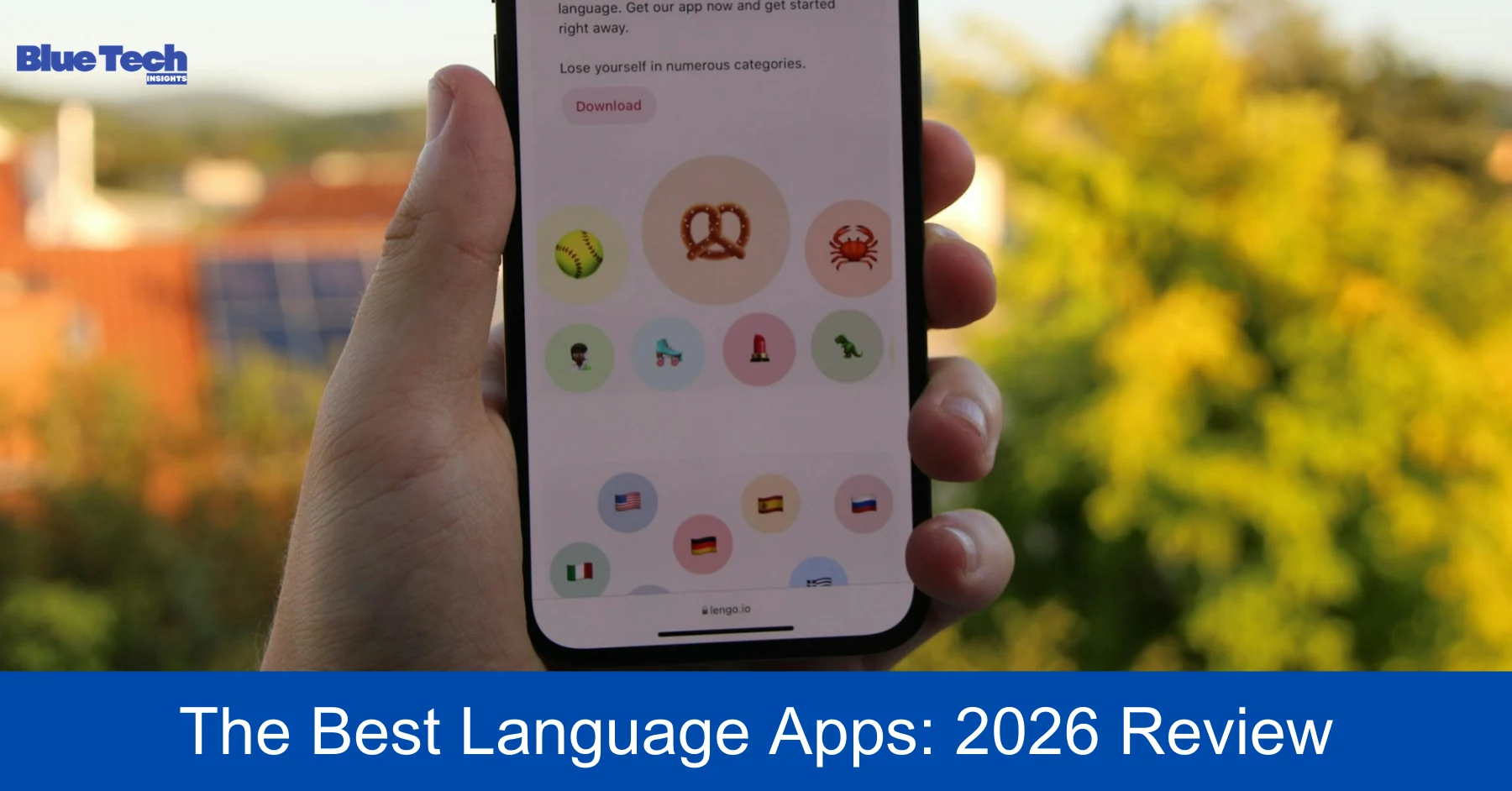
In 2026, the dream of speaking a second or third language has become more accessible than ever. We no longer rely solely on dusty textbooks or expensive classroom courses. Instead, the power of linguistics has shifted into our pockets.However, with the explosion of AI-powered tutors and gamified platforms, the question is no longer “Where can I find a course?” but “Which app actually works for my specific learning style?”
Whether you are preparing for a trip to Japan, aiming for a promotion in a multinational company, or simply want to keep your brain sharp, choosing the right tool is the first step toward fluency. In this comprehensive 2026 guide, we break down the top language learning apps and help you identify which one is the perfect match for you.
1. Duolingo: The King of Consistency and Gamification
Duolingo remains the most popular language app in 2026 for a reason. Its “Stark” motivation—represented by the infamous green owl—uses psychological triggers to keep you coming back every day.
- How it works: It breaks down language into bite-sized, 5-minute lessons that feel like a mobile game. You earn “XP,” climb leaderboards, and maintain a “Streak.”
- New in 2026 (Duolingo Max): This new tier uses advanced GPT-4 level AI to explain why your answer was wrong and allows you to practice “Roleplay” conversations with AI characters.
- Best For: Absolute beginners and casual learners who struggle with staying consistent.
- Pros: Completely free version available; fun and addictive.
- Cons: Not ideal for deep grammar or advanced conversational fluency.
2. Babbel: The Professional’s Choice for Real-Life Conversations
If Duolingo is a game, Babbel is a digital classroom. Developed by a team of over 150 linguists, Babbel focuses on “Functional Fluency”—teaching you how to order coffee, check into a hotel, or conduct a business meeting.
- The Approach: Unlike other apps that teach you random phrases like “The apple is red,” Babbel starts with useful dialogue. It introduces grammar rules gradually as they become relevant to the conversation.
- Speech Recognition: Babbel’s 2026 speech engine is incredibly refined, giving you precise feedback on your accent and pronunciation.
- Best For: Serious learners and travelers who want to start speaking useful sentences within the first few weeks.
- Pros: Practical curriculum; excellent grammar explanations.
- Cons: No free version (subscription required); limited language selection (14 languages).
3. Pimsleur: The Best for Auditory Learners and Commuters
Pimsleur is a classic that has successfully transitioned into the digital age. It is based on the “Pimsleur Method,” which focuses almost entirely on listening and speaking.
- Hands-Free Learning: Pimsleur lessons are 30-minute audio sessions. You listen to a native speaker and are prompted to respond. This makes it the perfect app to use while driving, cooking, or at the gym.
- Core Vocabulary: It focuses on the most commonly used words and “Spaced Repetition,” ensuring that you remember what you learned days or weeks later.
- Best For: Busy professionals and those who prefer learning through sound rather than reading from a screen.
- Pros: Exceptional for pronunciation and listening skills; works offline.
- Cons: Very little visual or writing practice; higher monthly cost.
4. Rosetta Stone: The Immersive Pioneer
Rosetta Stone has been around for decades, but its 2026 version is a modern masterpiece of “Immersive Learning.” It uses a “No Translation” method.
- The Method: Instead of translating “Gato” to “Cat,” the app shows you a picture of a cat and says the word in your target language. This mimics the way children learn their first language—by connecting sounds directly to objects.
- TruAccent Technology: This is widely considered one of the best pronunciation tools in the industry, comparing your voice to native speakers in real-time.
- Best For: Visual learners and those who want to “think” in their new language rather than translate in their heads.
- Pros: Beautiful, clean interface; deep focus on correct accent.
- Cons: Can feel repetitive; slow progression for some users.
5. Memrise: Learn from Real Locals
Memrise stands out because of its use of “Learn with Locals.” Instead of robotic voices, you see thousands of short video clips of real people on the streets of Paris, Tokyo, or Madrid speaking their native language.
- Authentic Exposure: You hear real accents, slang, and see the body language that goes with the words.
- The 2026 “MemBot”: An AI chat partner that allows you to practice text-based conversations without the fear of being judged by a human.
- Best For: Intermediate learners who want to understand how people actually talk in the real world.
- Pros: High engagement with video content; great for slang and culture.
- Cons: Less structured grammar; user-generated content quality can vary.
6. Comparison: Which App Fits Your Style? (2026 Summary)
| Feature | Duolingo | Babbel | Pimsleur | Rosetta Stone | Memrise |
| Primary Goal | Habit Building | Real Conversations | Speaking/Audio | Natural Immersion | Slang/Vocab |
| Learning Style | Visual & Playful | Structured/Classroom | Auditory/Commute | Visual/Intuitive | Video/Real-world |
| Price (2026) | Free / Premium | Subscription | Monthly Subscription | Lifetime / Sub | Free / Pro |
| Best Majory | Everyone | Professionals | Busy Commuters | Visual Learners | Travelers |
Conclusion: How to Choose?
In 2026, the most effective strategy is often “App Pairing.” * Use Duolingo for your 5-minute daily “brain vitamin.”
- Use Babbel or Pimsleur for your 20-minute “deep study” sessions.
- Use Memrise to polish your slang before a trip.
The best app is simply the one you don’t delete. Start with a free trial of two different apps today, see which interface clicks with your personality, and commit to just 15 minutes a day. By this time next year, the world will sound very different to you.
Disclaimer: This review is based on the features, pricing, and user ratings of language learning applications as of early 2026. While these apps are powerful tools, achieving full fluency often requires supplementary practice such as speaking with native speakers or consuming foreign media. Subscription prices and specific AI features may vary by region and are subject to change by the developers. Bluebook.site is an independent reviewer and is not officially partnered with the mentioned companies.
About the Author